
For Long-Term Care
Long-term care essentials — underpads, incontinence briefs, heavy-duty gloves, isolation gowns, and infection control products.
Which incontinence products do long-term care homes order most?
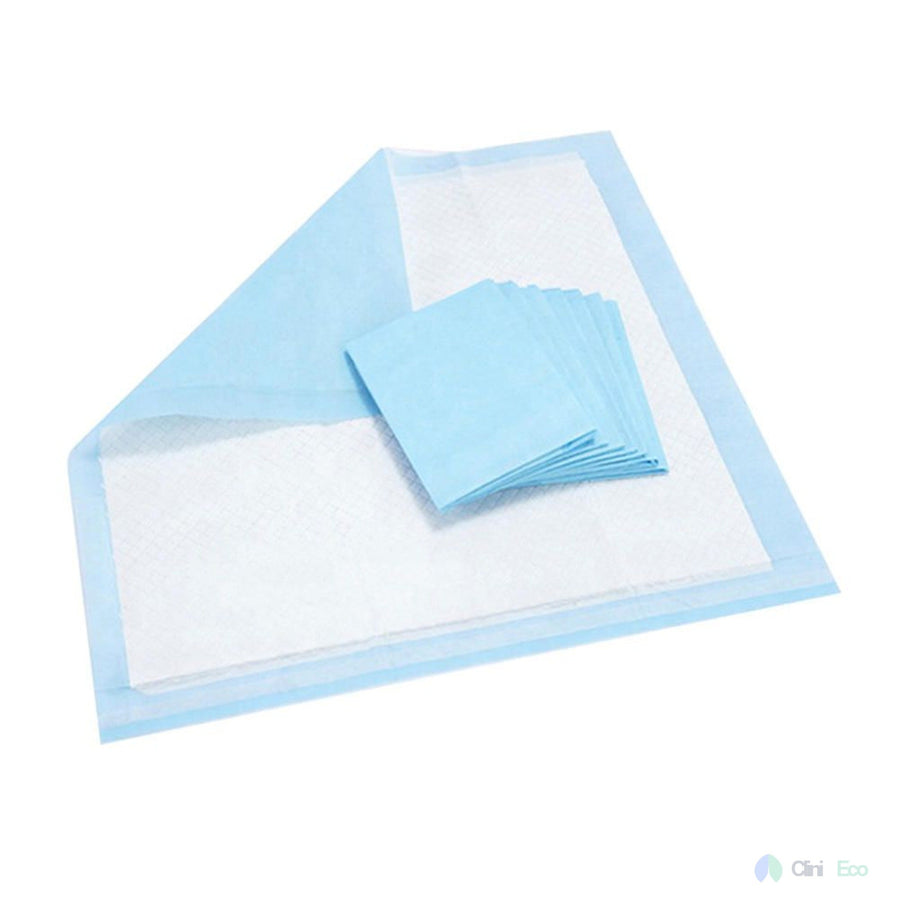
Long-term care homes order adult briefs and underpads as one system rather than as separate items: briefs for the resident, underpads for the bed and chair. On a floor, the split usually runs briefs for night plus day changes and underpads for bed protection during repositioning, which is why the two are ordered together from one supplier. The 60×90 cm five-layer underpad and the 3,000 ml day-time brief cover the two main volume lines in that system.
- Bulk Case (120 Pack)$298.80
$351.60CAD - Bulk Case (120 Pack)$238.80
$280.80CAD - Bulk Case (120 Pack)$202.80
$238.80CAD
More about For Long-Term Care
What absorbency level fits overnight versus daytime use?
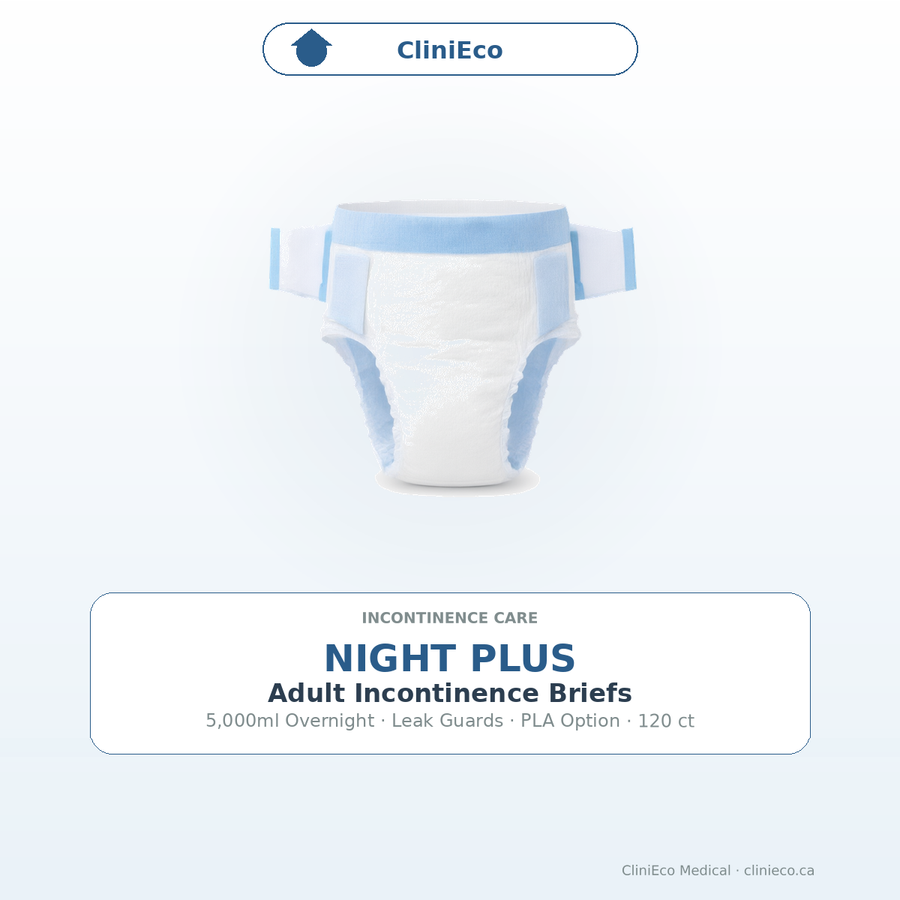
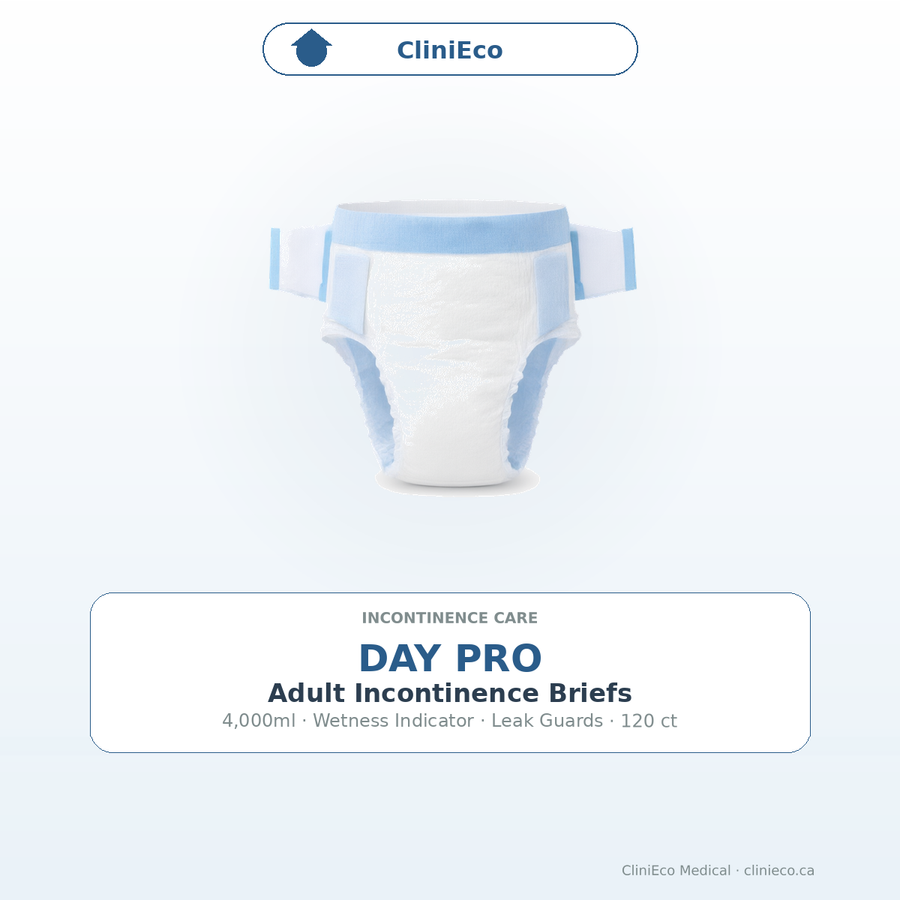
Overnight care needs a brief rated for a longer wear interval, because it has to hold through the night; day-time care needs a lighter brief that matches a scheduled round. This collection carries three levels — a 5,000 ml overnight brief, a 4,000 ml extended day-time brief and a 3,000 ml day-time brief — so a care team can match one resident to one level instead of over-specifying the whole floor.
| Product line | Rating or construction | Case count | Usual floor use |
|---|---|---|---|
| Night Plus adult brief | 5,000 ml; taped, wetness indicator | 120 briefs per case | Overnight wear |
| Day Pro adult brief | 4,000 ml; taped, wetness indicator | 120 briefs per case | Extended day-time wear |
| Day Comfort adult brief | 3,000 ml; taped, wetness indicator | 120 briefs per case | Day-time rounds |
| Adult underpad 60×90 cm | 5-layer, SAP core | 500 pads per case (10 boxes) | Bed and chair protection |
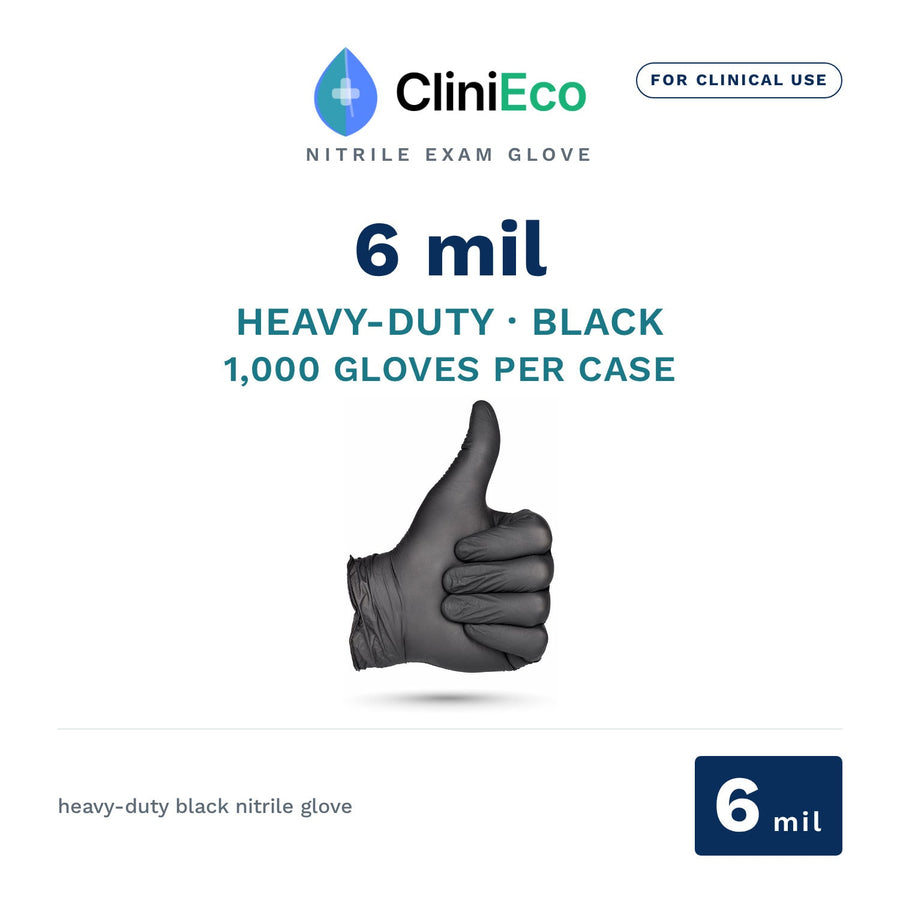
| Nitrile gloves 6 mil | Heavy-duty nitrile, powder-free | 100 gloves per box; 10-box case | Personal care and cleaning |
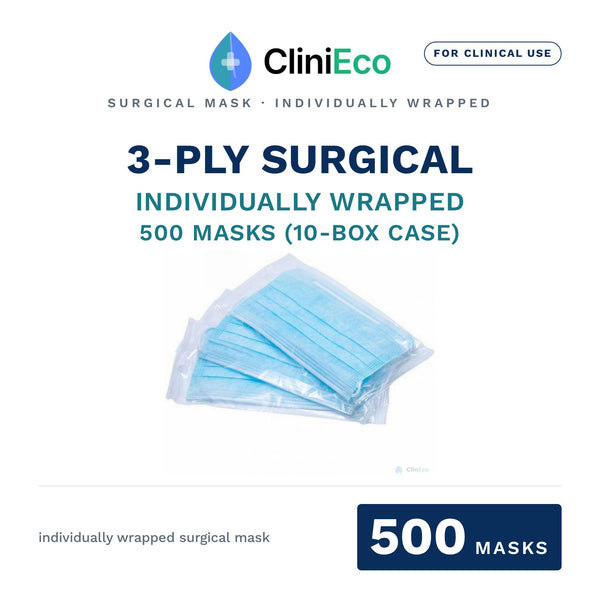
| Surgical mask 3-ply | 3-ply, individually wrapped | 50 masks per box; 10-box case | Carts and isolation rooms |
How do you size briefs for residents with limited mobility?
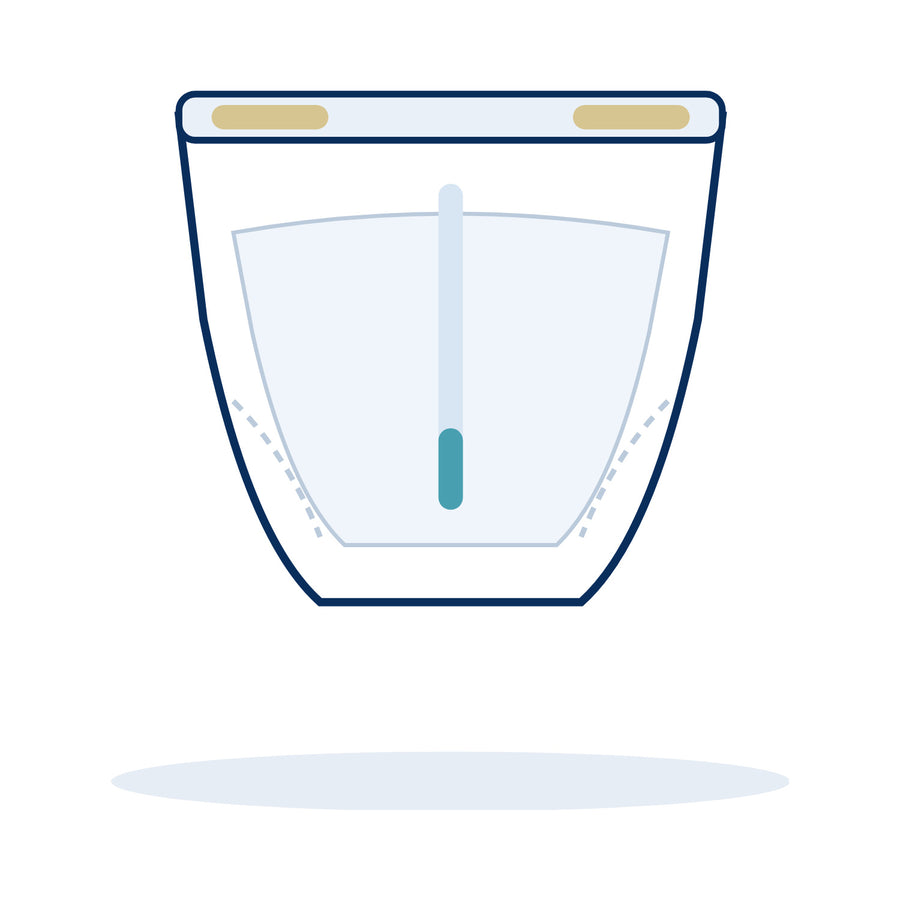
Size from the product's own waist range and from the closure type, not from a guess at body shape. The taped briefs in this collection are specified for a waist of approximately 28 to 44 inches (M–L), with refastenable tabs and an elastic waistband front and back. For a resident who is turned and repositioned frequently, the tab closure is usually the deciding factor: it lets a brief be opened, checked and re-closed during a round without being replaced.
What PPE should an LTC floor stock alongside incontinence supplies?
A floor handling incontinence care needs gloves and a face mask on the same cart as the briefs and underpads, because both are used at the point of care. This collection carries 6 mil heavy-duty nitrile gloves in a 100-glove box and a 10-box bulk option, and individually wrapped 3-ply surgical masks in a 50-mask box. Individually wrapped masks suit carts and isolation rooms where a wrapped mask is taken per task rather than from an open box.
Can a long-term care home order by case and mix products?
Yes. Every product in this collection is priced and sold at case level, and the case counts are fixed: 120 briefs per case on the taped briefs, 500 pads per case on the 60×90 cm underpads, 100 gloves per box with a 10-box case, and 50 masks per box with a 10-box case. Mixing products is normal for a facility order — the unit of ordering is the case, so a home can combine briefs, underpads, gloves and masks on one purchase order without splitting packs. Lead times and delivery scheduling are confirmed at order, not assumed from a catalogue line.
How should a purchasing team compare LTC incontinence suppliers?
Compare four things on paper before comparing anything else: the absorbency rating and the test method behind it, the case count and whether single packs are sold separately, the closure and containment design (tabs, leak guards, wetness indicator), and whether the supplier can hold stock for scheduled deliveries across multiple sites. A lower case count or a lighter pad can move cost per resident in the wrong direction once the number of changes per day is taken into account, so the comparison should be built per resident-day rather than per case.
What documentation should accompany an LTC incontinence order?
Ask for the specification sheet for each product you stock — absorbency, core construction, closure type, size range and packaging — so the item can be written into a supply list and re-ordered without a photo. CliniEco Medical products are distributed under MDEL #35334, and the licence number on the package identifies the licence holder. Where a resident's plan of care calls for a specific absorbency or size, that assessment stays with the clinical team; the supply list only has to reproduce it consistently.