
For GP & Family Clinics
A family practice orders consumables on the same rhythm as its appointment book: paper per patient, a mask per patient, a stick per throat. Because each item is sold by the case with a stated inner pack count, the weekly draw converts into a reorder date in one step. The room that runs out first is almost always the one nobody counted, and in most practices that is the table paper, because a change is measured in inches rather than in units.
- Bulk 10-Box$103.99CAD



-
Bulk 10-Bag Case$63.99CAD




More about For GP & Family Clinics
How much exam table paper does one appointment use, and how many changes are in a 125-foot roll?
Measure the change, not the roll. A table change takes about 30 inches of paper, which is two and a half feet, so a 125-foot roll covers roughly fifty changes: 125 divided by 2.5 is 50. The CliniEco Medical Exam Table Paper — 21-inch × 125ft, Smooth Perforated Roll ships nine rolls to a pack, which puts one pack at about 450 changes. A single room seeing twenty patients a day over five days draws a hundred changes a week, so a pack lasts four and a half weeks and the next pack is due at the four-week mark, not when the last roll goes on the holder.
The 30-inch figure is an assumption and should be stated as one: a longer table, or a habit of pulling extra paper for a child or a dressing, moves the number up, and a shorter bench moves it down.
How many masks does a 5-day clinic week draw?
One mask per patient contact is the simplest basis to budget on. At twenty patients a day that is a hundred masks a week. The CliniEco Medical Surgical Mask — Individually Wrapped, 3-Ply, 500 Masks (10-Box Case) arrives as a box of fifty or a case of ten boxes, 500 masks, each sealed in its own paper pouch with a three-year shelf life from the date of manufacture. A case is five weeks at a hundred a week, while a single box is under three days, which is why the box belongs in the drawer and the case belongs in the store room.
How many tongue depressors does a 20-patient clinic day use?
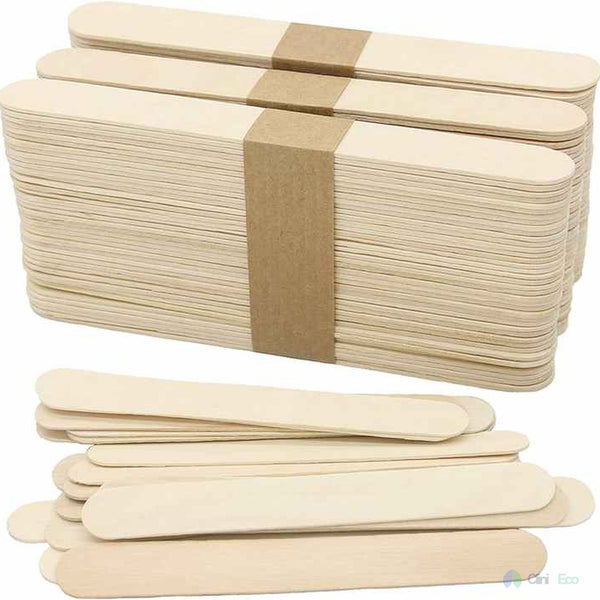
The CliniEco Medical Tongue Depressors — Birch Wood, 1.6mm Thick, 1,000 Tongue Depressors (10-Bag Case) ships as ten bags of a hundred. A room using twenty sticks on a clinic day opens a bag about every five days, so a case runs roughly fifty clinic days. Splitting a case between two rooms works only while the bags stay sealed; an opened bag left on a counter is a shared surface, and the bag — not the case — is the unit that should move between rooms. The 1.6 mm thickness is a working specification rather than a preference: a thinner stick bows under hand pressure and lifts off the tongue during the examination.
Which line sets the reorder date for the whole practice?
| Item | Pack and case count | Basis per visit | One pack or case covers |
|---|---|---|---|
| Table paper, 21 in × 125 ft | Nine rolls per pack | One 30-inch change | About 450 changes |
| Surgical mask, wrapped | 50 per box, 500 per case | One mask | Five weeks at a hundred a week |
| Tongue depressors | Ten bags of 100, 1,000 per case | One stick per throat exam | About 50 clinic days at 20 a day |
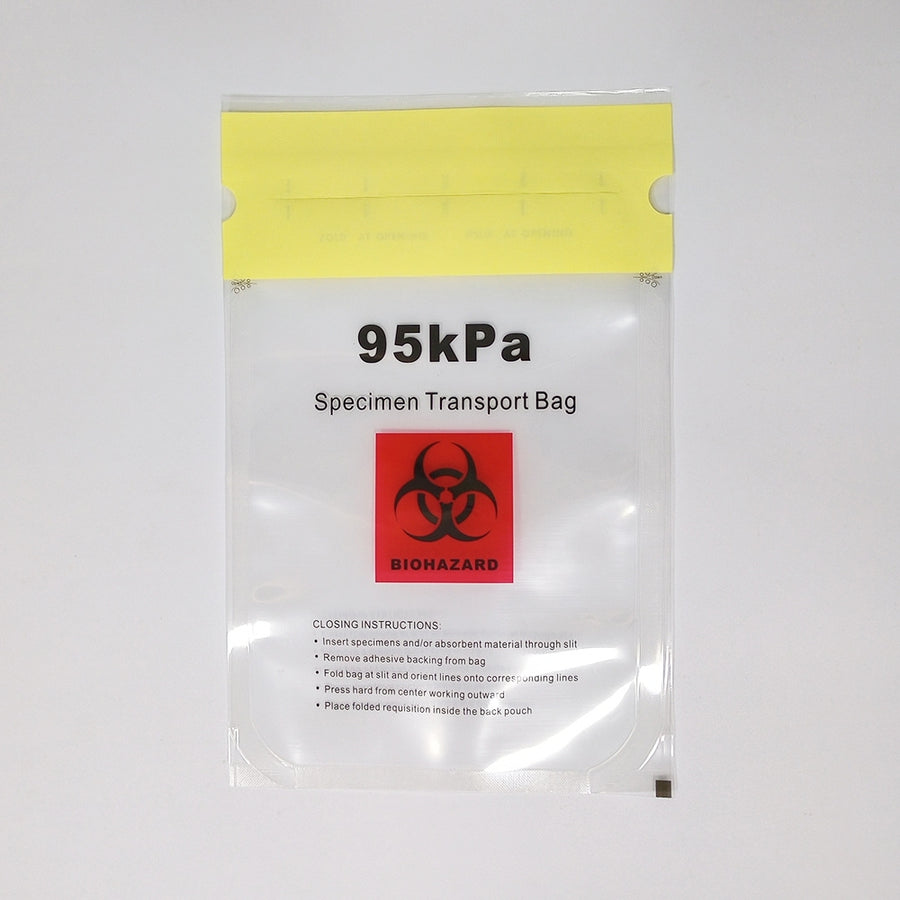
| Specimen bags, 6 × 9 in | 100 per box, 1,000 per case | One bag per sample sent out | About 100 working days at 10 a day |
Put the four arithmetic results side by side and the reorder calendar writes itself. Divide each pack or case count by the daily draw, and the shortest answer is the line that needs a standing order rather than a reminder. Patient count drives paper, masks and sticks together, so a practice that adds a session a week should move all three figures up by the same proportion before it reorders.
What changes when a second consulting room opens?
A second room doubles the paper and mask draw but not the specimen line, because samples sent to the laboratory follow the patient list rather than the room count. Two rooms at a hundred changes each put the practice at 200 changes a week, which shortens a nine-roll pack of table paper to a little over two weeks and a 500-mask case to two and a half. That is the point to switch from buying packs to holding one open case plus one sealed case, so the second room is never the reason a table goes uncovered between patients.
One line follows the room count rather than the patient list: the Sharps Container 1 Quart — Puncture-Resistant, 20/Case is a one-quart, puncture-resistant unit packed twenty to a case, so each consulting room can hold its own container and swap it on fill level instead of a single unit being carried down the corridor between rooms.
How should the restock list be arranged?
By room, not by product family. Each room gets a short block of the items it actually consumes, with the pack count and the working life in days; the store room list then holds only what is sealed. That arrangement makes a substitution visible: if a new paper width or a different mask box does not fit the room block, the change is noticed at the list rather than at the moment the drawer is empty.