
Wound Care


A dressing change in a Canadian long-term care home takes eight minutes: gather the tray, open the sterile pack, clean, cover, label, document. Repeat that thirty times a week and the difference between a well-stocked cart and a half-stocked one shows up as overtime and as wasted dressing sets. This collection covers the dressings, gauze, closure strips and aftercare items that clinics, LTC homes and home care teams use every day.
- Photo pendingCliniEco Silver Antimicrobial Wound Dressing — Foam with Silver (Coming Soon) Wound & Incontinence Care > Wound Care · SKU CLI-WEL-SILVER-DRS

-
3 options$13.00
$23.00CAD -
Wound & Incontinence Care > Wound Care$50.00CAD
-
Bulk 10-Box$74.00CAD
-
Wound & Incontinence Care > Wound Care$15.00CAD


More about Wound Care
Where these items sit in a Canadian care setting
Wound care stock is used at three points: preparation (skin prep wipes, gauze, swabs), covering (foam dressings, gauze sponges, closure strips), and healing follow-up (silicone gel and sheeting for scars). A foot care clinic buys differently from a 120-bed long-term care home, and a home care team buys differently again — it carries everything in a bag, so pack format matters more than case price.
How one dressing change runs, start to finish
The nurse sets up on a clean field: gauze sponges and individually wrapped swabs come out first, then the skin prep wipe is opened and used once. The wound is covered with a sterile self-adhesive foam dressing, sized so the adhesive border sits on intact skin. If the wound is a clean surgical incision rather than an open bed, closure strips may replace the dressing. Everything opened but unused cannot go back into stock, which is why pack counts are set against the number of dressing changes per shift, not per month.
Selection table: specification, pack size and where each item fits
| Item | Specification | Pack / case | Suited to |
|---|---|---|---|
| Advanced Foam Wound Dressing | Sterile, self-adhesive, 4 × 4 inch | Single sterile pouch | Pressure injuries, post-op wounds, exuding wounds |
| Medical Gauze Sponges | Sterile, 12-ply | 200 sponges | Cleaning, padding and secondary coverage |
| Sterile Wound Closure Strips | 1/2 inch × 4 inch, sterile | 6 strips per pack, 50 packs | Small clean lacerations and surgical incision support |
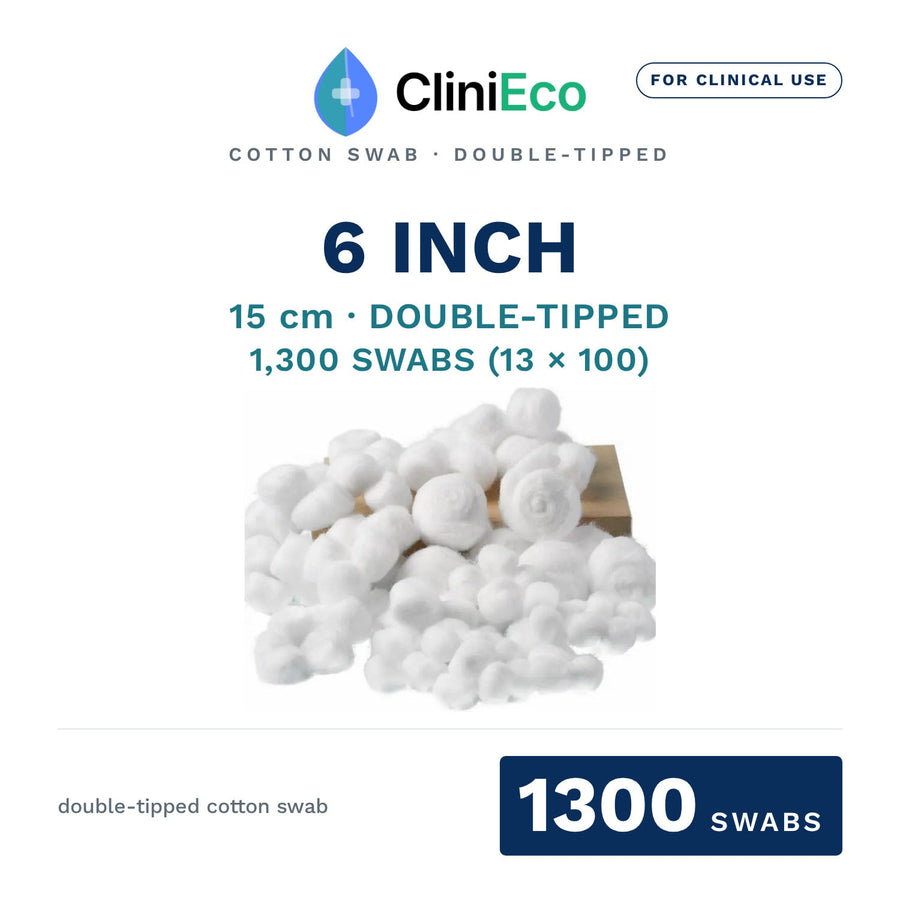
| Medical Cotton Swabs | Individually wrapped | 2,000 swabs (10-box case) | Wound margin cleaning, application of topical product |
| Alcohol Prep Pads | 70% isopropyl alcohol, individual sachet | 200 pads | Skin prep before puncture or injection |
| Medical Silicone Scar Gel | 15 g tube, silicone gel | 2-tube pack | Mature scars, home use after wound closure |
| Medical Silicone Scar Sheet | Reusable silicone sheeting | 3-sheet pack | Flat scars and post-surgical incision lines |
What to confirm before you order
- Sterile versus non-sterile, item by item. The collection mixes both. A dressing that contacts an open wound must arrive in an intact sterile barrier pack; gauze used for padding does not have the same requirement, and paying sterile prices for clean tasks inflates the budget without improving care.
- Sizing against the wound, not the shelf. A 4 × 4 inch self-adhesive dressing needs a border of intact skin on every side. Measure three typical wounds in the facility before choosing a size.
- Expiry date visible on the outer carton. Stock rotates. If the carton has no readable expiry, the cart gets audited by memory instead of by label.
- Pack counts that match a shift. Individually wrapped swabs cost more per unit but waste less; bulk gauze costs less per unit but cannot be reopened once the pack is breached. Choose per task.
- Label and document points. Dressings need date, initials and site on the label. Confirm the label surface accepts a standard pen — glossy packaging often does not.
Sterile barrier packaging and storage
A dressing is only sterile while its packaging is intact. ISO 11607-1:2019 sets out the requirements for sterile barrier systems and packaging for terminally sterilized medical devices, which is why pouches are sealed rather than folded. Store cartons off the floor, away from sinks and direct sunlight, and rotate oldest expiry to the front. Any pack that is torn, damp or crushed is discarded, not taped.
Keeping the reorder list short
Most clinics and care homes can run a wound care cart on seven to nine lines. Too few lines and staff improvise with the wrong product; too many and half the cart expires before it is used. Review consumption every quarter against dressing changes performed, drop the lines that never move, and keep the rest at four to six weeks of cover.
Questions buyers ask
Six questions we answer most often for clinics, long-term care homes and home care teams, with the document each answer rests on.
Which wound dressing should a long-term care home stock first?
Start with a sterile, self-adhesive foam dressing in a 4 × 4 inch size. Foam covers the two wound types that fill most carts — pressure injuries and healing surgical incisions — and the adhesive border seals over intact skin, so the dressing stays put through a shift without tape. The international pressure injury guideline (EPUAP, NPIAP and PPPIA) asks for a dressing that manages exudate and protects the peri-wound skin, which is what a bordered foam is built to do. Add sterile self-adhesive foam dressings as the first line.
How many sterile gauze sponges does 30 dressing changes a week use?
About 120 sponges a week, which is most of a 200-sponge box. Four sponges per dressing change is a normal allowance — one to clean, one to dry the skin, one as padding and one spare — so a busy 30-bed unit burns a box in under two weeks. An opened pack cannot return to sterile stock, so pack count matters more than unit price: keeping a box of sterile 12-ply gauze sponges on the cart stops staff opening a second pack for one spare square.
Do wound closure strips replace sutures for a small incision?
No. Closure strips hold a wound that is already closed; they are not a substitute for sutures in a deep, gaping or high-tension laceration. A 1/2 inch × 4 inch strip supports a small clean incision line or a superficial laceration once the edges are approximated, and pack format matters because strips are single use — our box carries 6 strips per pack across 50 packs, so 300 strips. Wear time and removal follow the manufacturer's instructions for use, not the dressing schedule. Keep sterile wound closure strips for that specific job.
Are alcohol prep pads enough to clean a wound before dressing it?
No. A 70% isopropyl pad is a skin-prep item for intact skin before a puncture, an injection or a blood draw — it is not a wound cleanser. On an open wound it stings, it does not lift debris or slough, and it does not replace the cleansing solution named in your facility protocol. Public Health Agency of Canada routine practices put wound care under the same hand hygiene and single-use item discipline as any exposure-prone procedure. Keep 70% isopropyl alcohol prep pads at the injection tray, not the dressing tray.
Should wound margin cleaning use sterile swabs or bulk cotton?
Use individually wrapped swabs for wound margins and for applying any topical product. A wrapped swab stays sterile until the moment it is used, one swab per margin pass and one per product; once a bulk bag is opened the remaining swabs are clean but no longer sterile. Our case is 2,000 swabs across 10 boxes, which keeps wrapped stock on the shelf without a loose bag sitting open, and the wrapper carries a lot number the loose bag does not. Order individually wrapped medical cotton swabs for that tray.
How long is silicone scar gel or sheeting used after a wound closes?
Plan on two to three months of daily wear, then reassess with the treating clinician. Gel suits irregular surfaces and mature scars; sheeting suits flat, linear surgical lines, and both need completely closed skin before the first application. The sheet is washed and reused, while the gel is applied thin and left to dry. Silicone scar products are medical devices under the Medical Devices Regulations (SOR/98-282), so the label travels with the product and belongs in the chart. Choose medical-grade silicone scar gel for contours or reusable silicone scar sheeting for flat lines.
Buying for a clinic, care home or laboratory rather than a single site? Volume pricing and account setup are handled through our wholesale enquiry page.